
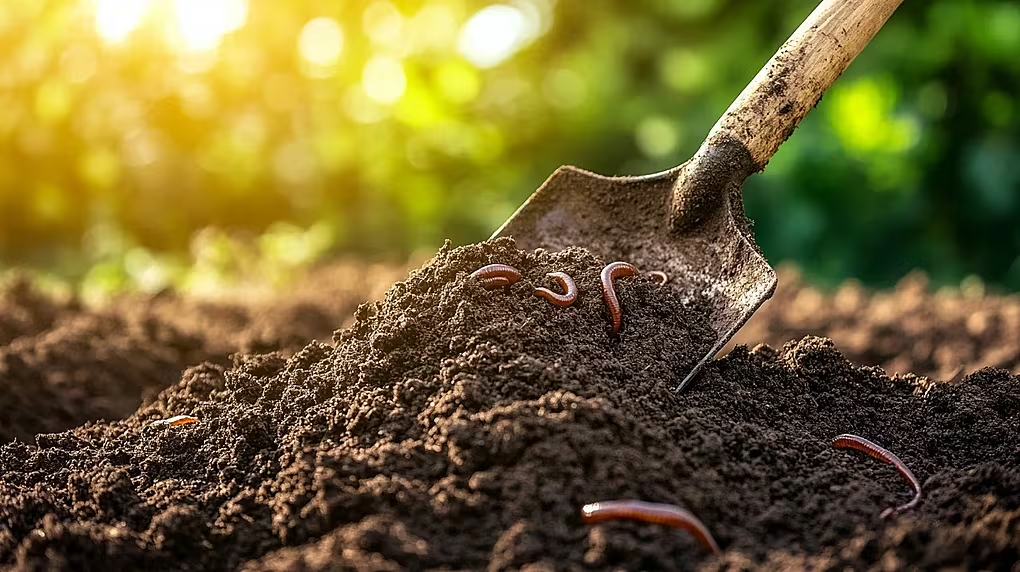
Chemical fertilisers have played a significant role in modern agriculture, helping farmers increase crop yields and support global food production. However, as agricultural systems face growing environmental and economic challenges, it is becoming clear that dependence on synthetic fertilisers is not a sustainable long-term solution.
The conversation is no longer about choosing between productivity and sustainability. Instead, it is about finding smarter ways to achieve both.
The Hidden Cost of Chemical Fertilisers
While chemical fertilisers provide crops with essential nutrients such as nitrogen, phosphorus, and potassium, their repeated and excessive use can create several challenges.
Over time, soils can lose organic matter and beneficial microorganisms that are essential for maintaining fertility. This degradation reduces the soil’s ability to retain water and nutrients, making crops increasingly reliant on synthetic inputs.
Chemical runoff also poses environmental risks. Excess nutrients can enter rivers, lakes, and groundwater systems, contributing to water pollution and damaging aquatic ecosystems. In addition, the production and use of synthetic fertilisers generate greenhouse gas emissions that contribute to climate change.
For farmers, rising fertiliser prices have created another concern. Many agricultural producers now face increasing input costs, making profitability more difficult and exposing them to global supply chain disruptions.
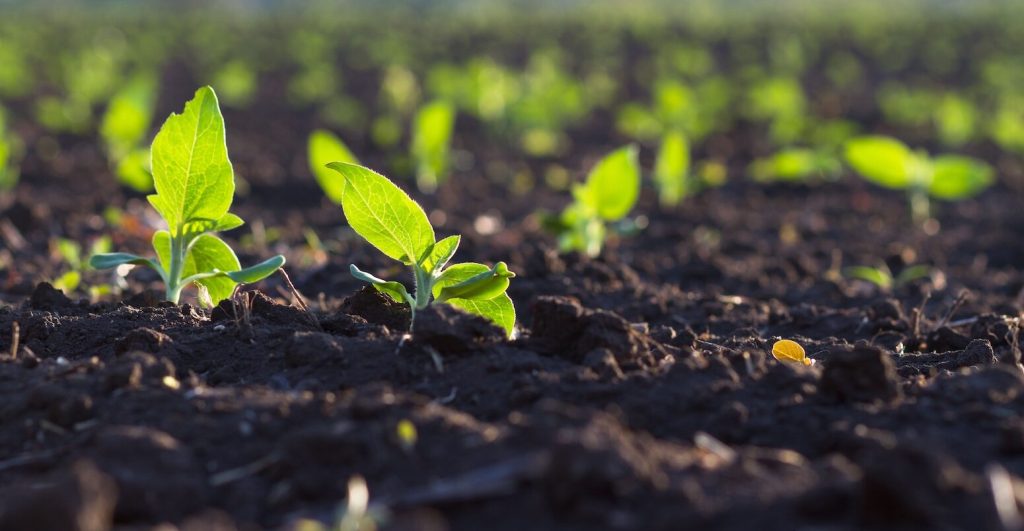
Exploring Sustainable Alternatives
Fortunately, a range of alternatives and complementary solutions are available.
Organic Compost and Manure
Organic materials such as compost and animal manure improve soil structure, increase organic matter, and support healthy microbial activity. Unlike synthetic fertilisers, they contribute to long-term soil health while providing nutrients to crops.
Biofertilisers
Biofertilisers contain living microorganisms that help plants access nutrients naturally. These products can enhance nutrient uptake, improve root development, and reduce dependence on synthetic inputs.
Cover Cropping and Crop Rotation
Planting cover crops between growing seasons and rotating crops can naturally replenish nutrients, improve soil structure, suppress weeds, and reduce erosion. These practices have been used successfully for generations and are gaining renewed attention in sustainable farming systems.
Precision Agriculture
Modern technology allows farmers to apply nutrients more accurately and efficiently. Through soil testing, sensors, satellite imagery, and data-driven decision-making, precision agriculture reduces waste while maximising crop performance.
Regenerative Agriculture
Regenerative agriculture combines multiple practices aimed at rebuilding soil health, increasing biodiversity, and improving ecosystem resilience. By focusing on the health of the entire farming system, regenerative methods offer a pathway toward sustainable productivity.
Building Resilient Agricultural Systems
The future of agriculture depends on healthy soils. Farmers, policymakers, researchers, and agribusinesses all have a role to play in accelerating the adoption of sustainable nutrient management practices.
Chemical fertilisers will likely remain part of agriculture for some time. However, reducing dependence on them and integrating alternative approaches can help create farming systems that are more productive, resilient, and environmentally responsible.
As the global demand for food continues to rise, the challenge is not simply producing more. It is producing more while protecting the natural resources that make agriculture possible.
Investing in alternatives to chemical fertilisers is ultimately an investment in food security, farmer livelihoods, and the future of our planet.
Interested in learning more about this topic? Follow our page for practical insights, industry trends, and expert perspectives, or send us an email at hello@jilisheafrica.com
Leave a Reply