
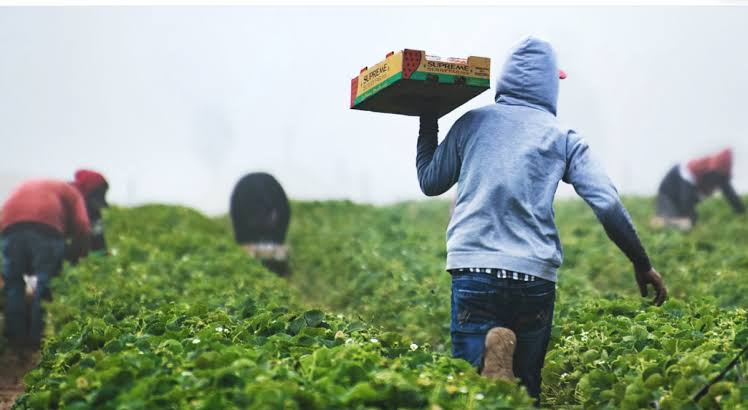
Smallholder farmers are the backbone of agricultural production in many countries. They cultivate a significant portion of the world’s food, support rural economies, and contribute to national food security. Yet despite their importance, millions of small farmers remain isolated from the global markets that offer the greatest opportunities for growth and prosperity.
Bridging this gap is one of the most important challenges—and opportunities—in modern agriculture.
The Challenge Facing Small Farmers
Many smallholder farmers operate within local or regional markets where demand is limited, prices are volatile, and profit margins are often thin. Even when international demand exists for their products, barriers such as poor infrastructure, limited access to market information, inadequate financing, and strict export requirements can prevent them from participating.
As a result, farmers frequently rely on intermediaries who capture a significant share of the value created along the supply chain. This limits income growth and reduces incentives for investment in productivity and quality improvements.
Without reliable access to larger markets, many farmers remain trapped in cycles of low productivity and low profitability.
Why Global Supply Chains Matter
Global supply chains connect producers with processors, exporters, retailers, manufacturers, and consumers around the world. Participation in these networks offers several benefits for smallholder farmers.
First, access to international markets can create stronger and more consistent demand for agricultural products. This can help farmers achieve better pricing and reduce uncertainty.
Second, global buyers often require higher quality standards, which encourages investment in improved farming practices, post-harvest handling, and productivity-enhancing technologies.
Third, integration into formal supply chains can improve access to financing. Financial institutions are often more willing to lend when farmers have documented contracts, purchase agreements, or established relationships with reputable buyers.
Ultimately, participation in global markets can increase incomes, create employment opportunities, and strengthen rural economies.
The Role of Technology
Technology is rapidly transforming the way small farmers connect with markets.
Digital platforms enable farmers to access market information, communicate with buyers, receive payments, and track orders in real time. Mobile technologies provide access to financial services, weather forecasts, and agronomic advice that can improve decision-making and reduce risk.
Supply chain traceability systems are also becoming increasingly important. Consumers and international buyers want to know where products come from, how they were produced, and whether they meet sustainability standards. Digital traceability tools help farmers demonstrate compliance and build trust with global markets.
These innovations are helping reduce information asymmetry and creating more transparent agricultural value chains.
Building Stronger Agricultural Ecosystems
Technology alone cannot solve every challenge. Successful integration into global supply chains requires a broader support ecosystem.
Farmers need access to training on quality standards, sustainable production practices, and post-harvest management. Cooperative models and aggregation centres can help small producers achieve the scale required by international buyers. Investments in roads, storage facilities, cold-chain logistics, and transportation networks are equally critical.
Governments, private sector organisations, development partners, and agricultural institutions all have a role to play in creating an environment where smallholder farmers can thrive.
A Pathway to Inclusive Growth
Connecting small farmers to global supply chains is about more than increasing exports. It is about creating economic opportunities, strengthening food systems, and ensuring that agricultural growth benefits those who work hardest to produce our food.
When smallholder farmers gain access to larger markets, they gain the ability to invest in their farms, support their families, create employment, and contribute to broader economic development.
The future of agriculture depends on building supply chains that are not only efficient and profitable but also inclusive. At Jilishe Africa, we support farmers by connecting them to available markets. In doing so, we create a more resilient, equitable, and sustainable agricultural economy for everyone.
Leave a Reply